 I went back to the simplest equation in school algebra and found a neuron inside it. This is what happened when I followed that thread as far as it would go, through language models, biological minds, and the evolved interface we mistake for reality, and arrived somewhere I didn’t expect: a shoreline, not a wall.
Writing
Essays, papers, notes, and references.
A place for longer pieces, formal work, and useful written records.
I went back to the simplest equation in school algebra and found a neuron inside it. This is what happened when I followed that thread as far as it would go, through language models, biological minds, and the evolved interface we mistake for reality, and arrived somewhere I didn’t expect: a shoreline, not a wall.
 We've convinced ourselves that clarity is something you can acquire, read the right list, name the right bias, and step clear of the mess everyone else is stuck in. This is about why that doesn't work, and why the failure is worse than it looks. The frameworks that explain how your judgement fails are mostly correct, and that's precisely the problem: a false map you escape by noticing it's false, but a true one you move into and furnish. Detachment doesn't help, the certainty that you're the exception is itself one of the oldest seats in the room. What's left isn't another framework to collect but a single unglamorous habit: turning, deliberately, toward the evidence that costs you something. It won't make you immune. It just shifts the odds, late and unreliably, for anyone willing to stop wanting it cheap.
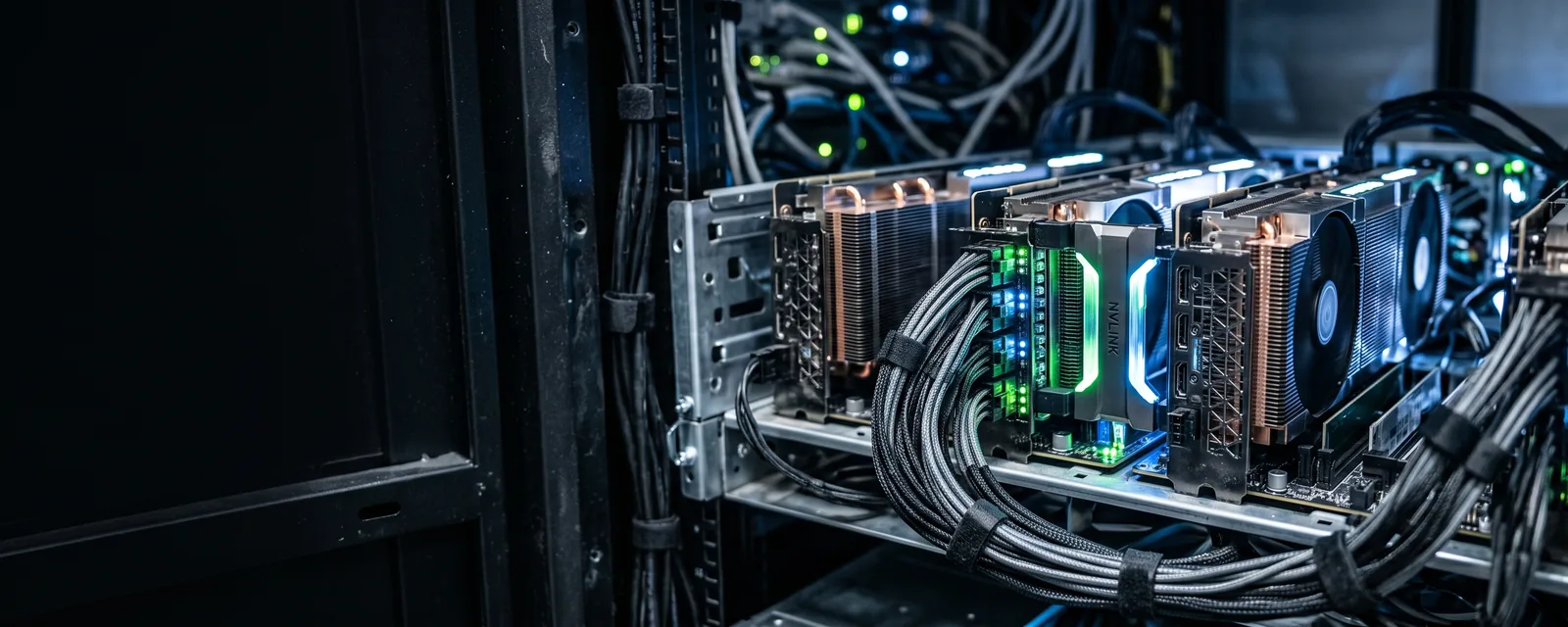 AI is not just another tool in the cybersecurity stack. It is becoming part of the system being defended, part of the system doing the defending, and increasingly part of the system being attacked. This piece separates cybersecurity with AI, models that detect threats, triage alerts, and accelerate response, from cybersecurity of AI, where the model itself, its data, prompts, outputs, permissions, and training pipeline become the attack surface. It walks through adversarial manipulation, poisoned training data, inference and privacy leaks, and the model as a weapon, then argues for governance without theatre: discipline across the whole chain rather than one framework or control. As models move from tool to participant, the old security boundary does not disappear, part of it moves inside the model.
 “IoT” hides a fault line. Consumer IoT, smart homes, wearables, connected cars, optimises for convenience. Industrial IoT optimises for efficiency, safety, and uptime, running factories, energy grids, and healthcare where a failure is not an inconvenience but a danger to life. They share the name and almost nothing else: devices, networks, security models, scalability, and regulatory weight all diverge sharply. This piece draws the line clearly, comparing the two across purpose, hardware, security risk, data complexity, networking, and cost, and argues that conflating them leads to bad decisions in both directions: consumer-grade thinking applied to industrial systems that can hurt people, and industrial caution wasted on a doorbell. Whether you are smartening a home or securing a plant, the first move is knowing which world you are in.